
2017-09-19 05:34:00 Tue ET
technology social safety nets education infrastructure health insurance health care medical care medication vaccine social security pension deposit insurance

Facebook, Twitter, and Google executives head before the Senate Judiciary Committee to explain the scope of Russian interference in the U.S. presidential election in 2016. Facebook admits that the Russian Internet Research Agency's prior abuse of their social network platforms affects 126 million users in America. Google confirms that the Kremlin Internet Research Agency spreads more than 1,000 inflammatory videos on YouTube to sway the U.S. presidential election. Twitter further flags more than 131,000 inflammatory messages on its platform.
Stock market observers marvel at the extent to which these high-tech platforms spread viral content via social media. Both Democrats and some Republicans complain that these companies have waited nearly a year to publicly admit the scary scope of American exposure to the Russian effort to spread political propaganda during the 2016 presidential election campaign.
Senators push for harsh remedies such as new regulations on social media marketing practices in the form of rules for political advertisement on television. This development suggests a near-term stock market pushback for Facebook, Google, and Twitter.
If any of our AYA Analytica financial health memos (FHM), blog posts, ebooks, newsletters, and notifications etc, or any other form of online content curation, involves potential copyright concerns, please feel free to contact us at service@ayafintech.network so that we can remove relevant content in response to any such request within a reasonable time frame.
2018-06-07 10:36:00 Thursday ET
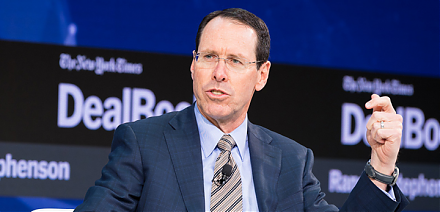
AT&T wins court approval to take over Time Warner with a trademark $85 billion bid despite the Trump administration prior dissent due to antitrust conce
2025-10-03 10:31:00 Friday ET

Stock Synopsis: With a new Python program, we use, adapt, apply, and leverage each of the mainstream Gemini Gen AI models to conduct this comprehensive fund
2017-02-01 14:41:00 Wednesday ET
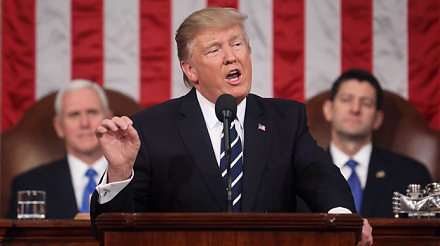
President Trump refreshes his public image through his presidential address to Congress with numerous ambitious economic policies in order to make America g
2017-02-07 07:47:00 Tuesday ET
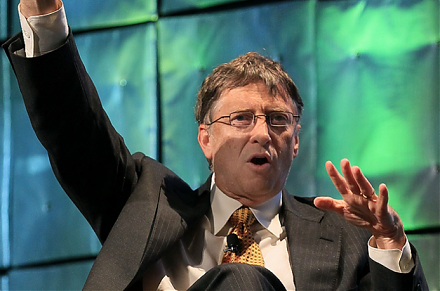
With prescient clairvoyance, Bill Gates predicted the recent sustainable rise of Netflix and Facebook during a Playboy interview back in 1994. He said th
2018-07-09 09:39:00 Monday ET
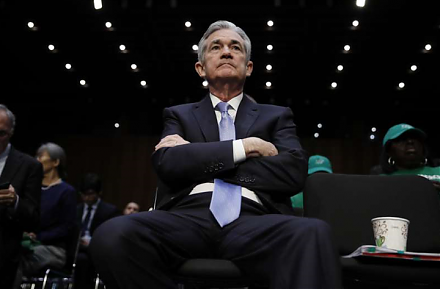
The Federal Reserve raises the interest rate again in mid-2018 in response to 2% inflation and wage growth. The current neutral interest rate hike neither b
2018-12-21 11:39:00 Friday ET
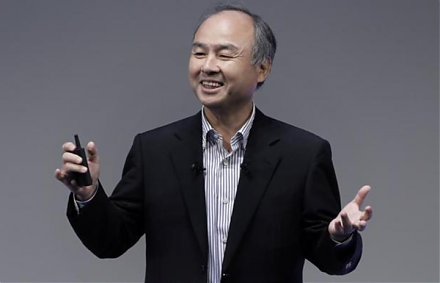
The Internet and telecom conglomerate SoftBank Group raises $23 billion in the biggest IPO in Japan. Going public is part of the major corporate move away f