
2017-12-23 10:40:00 Sat ET
trust perseverance resilience empathy compassion passion purpose vision mission life metaphors seamless integration critical success factors personal finance entrepreneur inspiration grit

Despite having way more responsibility than anyone else, top business titans such as Warren Buffett, Charlie Munger, and Oprah Winfrey often step away from their urgent work, slow down, and invest in free activities such as reading non-fiction books with long-term payoffs in greater knowledge, creativity, and energy. As a result, these top performers achieve less in a day at first, but drastically more over the course of their lives. Like compound interest, this wise investment is *compound time* because a small investment yields surprisingly large returns over time. This idea echoes Ben Franklin and Paul Tudor Jones:
(a) An investment in knowledge pays the best interest; and
(b) Intellectual capital will always trump financial capital.
These world-famous investors and billionaires share 5 key hacks for leading a productive and efficient lifestyle with frugal habits and norms:
Hack #1: Keep a journal of key daily accomplishments.
Hack #2: Take a nap to enhance memory and creativity.
Hack #3: Walk 15 minutes per day for better relaxation.
Hack #4: Read non-fiction books to sharpen the saw.
Hack #5: Interact with conversation partners.
If any of our AYA Analytica financial health memos (FHM), blog posts, ebooks, newsletters, and notifications etc, or any other form of online content curation, involves potential copyright concerns, please feel free to contact us at service@ayafintech.network so that we can remove relevant content in response to any such request within a reasonable time frame.
2023-05-21 12:26:00 Sunday ET

Amy Chua and Jed Rubenfeld suggest that relatively successful ethnic groups exhibit common cultural traits in America. Amy Chua and Jed Rubenfeld (2015)
2017-11-29 07:42:00 Wednesday ET
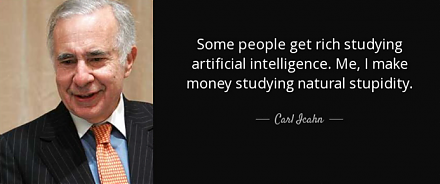
The octogenarian billionaire and activist investor Carl Icahn mulls over steps to shake up the board of SandRidge Energy after the oil-and-gas company adopt
2024-10-31 09:26:00 Thursday ET

Generative artificial intelligence (Gen AI) uses large language models (LLM) and content generation tools to enhance human lives with better productivity.
2025-06-13 08:23:00 Friday ET

What are the mainstream legal origins of President Trump’s new tariff policies? We delve into the mainstream legal origins of President Trump&rsquo
2018-05-27 08:33:00 Sunday ET

The Federal Reserve proposes softening the Volcker rule that prevents banks from placing risky bets on securities with deposit finance. As part of the po
2023-07-21 10:30:00 Friday ET
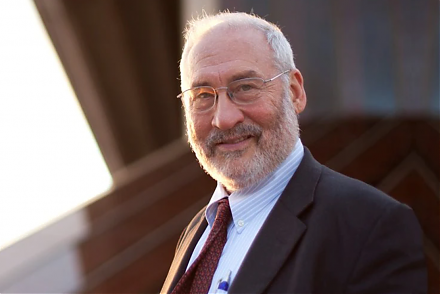
Joseph Stiglitz and Andrew Charlton suggest that free trade helps promote better economic development worldwide. Joseph Stiglitz and Andrew Charlton (200