
2019-04-25 09:35:00 Thu ET
technology social safety nets education infrastructure health insurance health care medical care medication vaccine social security pension deposit insurance
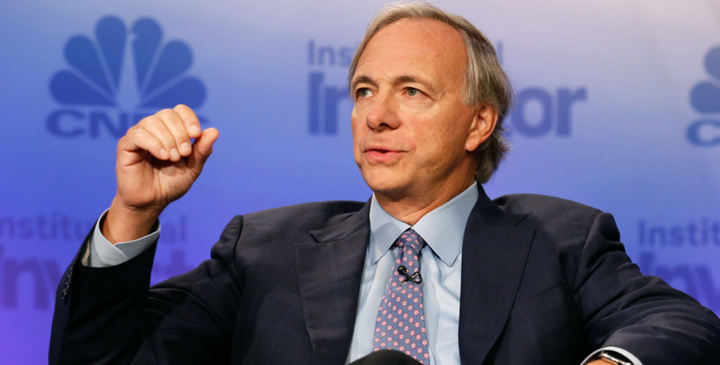
Bridgewater hedge fund founder Ray Dalio suggests that the current state of U.S. capitalism poses an existential threat for many Americans. Dalio deems the current levels of U.S. economic inequality a national emergency that requires a complete reformation of capitalism in America. The Pareto power law shows that the upper echelon of top 20% income earners accounts for 80% of economic wealth in most U.S. states. The rich can transfer their economic advantages from one generation to the next through elite education, political clout, and family ownership and control of public corporations. This hereditary wealth concentration persists over decades.
Firms need to fill the skill gap in talent retention; workers earn stagnant real wages over years; consumers face fewer choices in terms of products and services; and financial intermediaries encounter a mismatch between savers and profitable stock market investments. It is important for policymakers to help enhance the financial literacy, freedom, and inclusion of the general public. Americans, immigrants, and foreigners can learn more about stock market news and memes, proprietary alpha signals, economic trends, and investment tips on our AYA fintech network platform. These endeavors help abate the existential threat that U.S. capitalism poses for many Americans.
If any of our AYA Analytica financial health memos (FHM), blog posts, ebooks, newsletters, and notifications etc, or any other form of online content curation, involves potential copyright concerns, please feel free to contact us at service@ayafintech.network so that we can remove relevant content in response to any such request within a reasonable time frame.
2025-06-13 08:23:00 Friday ET
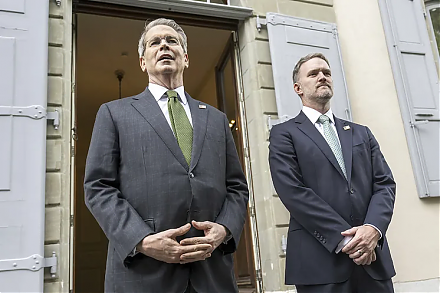
What are the mainstream legal origins of President Trump’s new tariff policies? We delve into the mainstream legal origins of President Trump&rsquo
2017-01-11 11:38:00 Wednesday ET
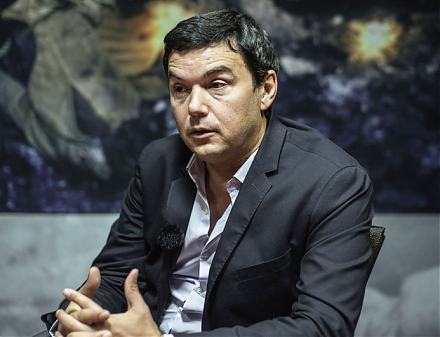
Thomas Piketty's recent new book *Capital in the Twenty-First Century* frames income and wealth inequality now as a global economic phenomenon. When
2022-02-05 09:26:00 Saturday ET

Modern themes and insights in behavioral finance Shiller, R.J. (2003). From efficient markets theory to behavioral finance. Journal of Economi
2018-06-14 10:35:00 Thursday ET
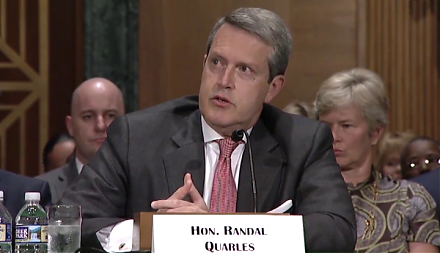
The Federal Reserve's current interest rate hike may lead to the next economic recession as credit supply growth ebbs and flows through the business cyc
2017-12-19 09:39:00 Tuesday ET
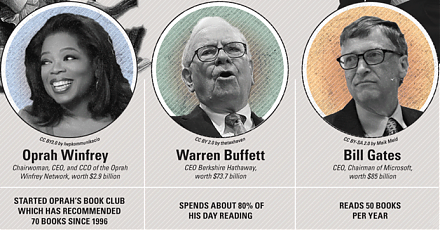
From Oprah Winfrey to Bill Gates, this infographic visualization summarizes the key habits and investment styles of highly successful entrepreneurs:
2019-08-18 11:33:00 Sunday ET
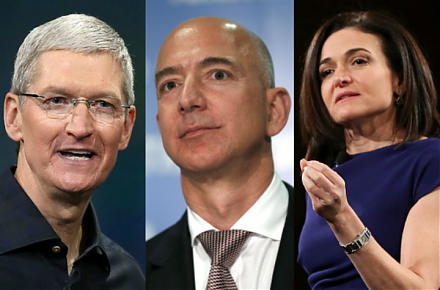
House Judiciary Committee summons senior executive reps of the tech titans to assess online platforms and their market power. These companies are Facebook,