2018-01-09 08:33:00 Tue ET
technology social safety nets education infrastructure health insurance health care medical care medication vaccine social security pension deposit insurance
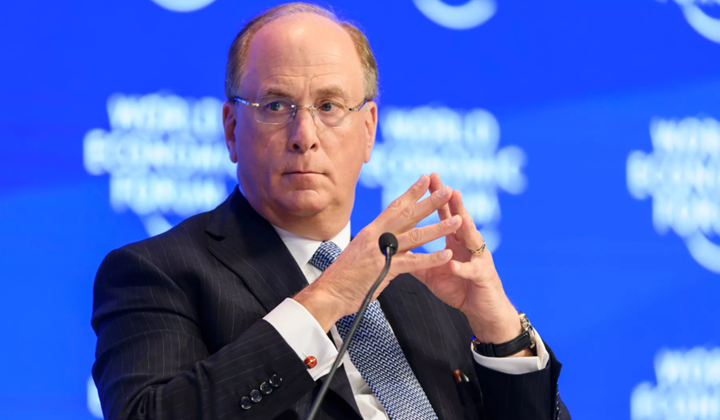
BlackRock CEO Larry Fink emphasizes his key conviction that public corporations should make a positive contribution to society apart from boosting the bottomline. Society now demands that each public or private company serves a social purpose. To prosper over time, each company must not only deliver financial performance, but each company must also demonstrate how it makes a positive contribution to society. This kind reminder is a major watershed moment on Wall Street and raises questions about the unique nature of capitalism.
The Fink letter serves as a key lightning rod of stakeholder-value maximization for institutional investors such as BlackRock, Franklin Templeton, Vanguard, Charles Schwab, Fidelity, Allianz, State Street, PIMCO, PGIM, and so on. Key stakeholders include not only shareholders but also employees, customers, creditors, suppliers, regulators, and intellectual property assignees.
The government may fail to prepare for the future generations on socioeconomic issues such as retirement, infrastructure, automation, and education. As a result, society has to increasingly rely on the private sector in order to better respond to broader societal challenges. If a company cannot engage with the community with a crystal-clear sense of social purpose, the company ultimately loses its license to operate for better stakeholder value. For instance, some institutional investors and activist shareholders require Facebook, Apple, Microsoft, Google, and Amazon to consider the detrimental effects of mobile devices on children. Mutual funds and insurance firms such as AIG and Berkshire Hathaway can monitor whether energy companies such as ExxonMobil, BP, Phillips 66, and Saudi Aramco help mitigate environmental degradation. Also, key billionaires join the Giving Pledge campaign to curb global economic inequality. For instance, the Gates Foundation continues to help eradicate preventable diseases due to malaria, polio, Guinea worm, and smallpox in Africa and the Middle East. Nowadays, each company has to serve a social purpose in order to attract capital flows from asset management firms.
If any of our AYA Analytica financial health memos (FHM), blog posts, ebooks, newsletters, and notifications etc, or any other form of online content curation, involves potential copyright concerns, please feel free to contact us at service@ayafintech.network so that we can remove relevant content in response to any such request within a reasonable time frame.
2019-12-04 14:35:00 Wednesday ET

Many billionaires choose to live below their means with frugal habits and lifestyles. Those people who consistently commit to saving more, spending less, an
2023-12-10 09:23:00 Sunday ET
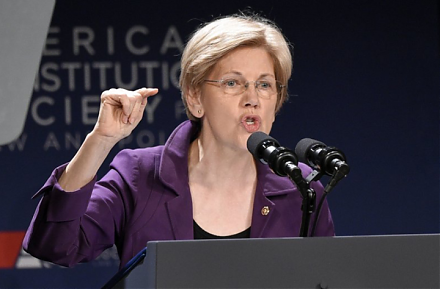
U.S. federalism and domestic institutional arrangements A given country is federal when both of its national and sub-national governments exercise separa
2018-06-25 12:43:00 Monday ET

Apple and Samsung are the archrivals for the title of the world's top smart phone maker. The recent patent lawsuit settlement between Apple and Samsung
2019-12-19 14:43:00 Thursday ET
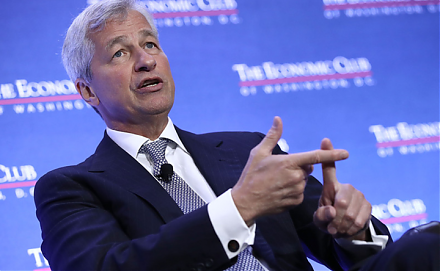
JPMorgan Chase CEO Jamie Dimon views wealth inequality as a major economic problem in America. Dimon now warns that the rich Americans have been getting wea
2019-02-02 11:36:00 Saturday ET
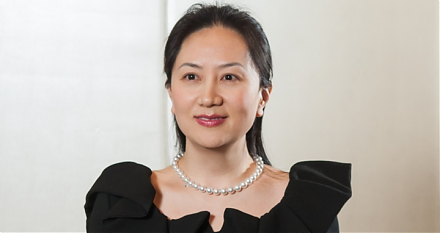
The Trump administration teams up with western allies to bar HuaWei and other Chinese tech firms from building the 5G high-speed infrastructure due to natio
2017-03-09 05:32:00 Thursday ET

From 1927 to 2017, the U.S. stock market has delivered a hefty average return of about 11% per annum. The U.S. average stock market return is high in stark