
2017-02-07 07:47:00 Tue ET
trust perseverance resilience empathy compassion passion purpose vision mission life metaphors seamless integration critical success factors personal finance entrepreneur inspiration grit
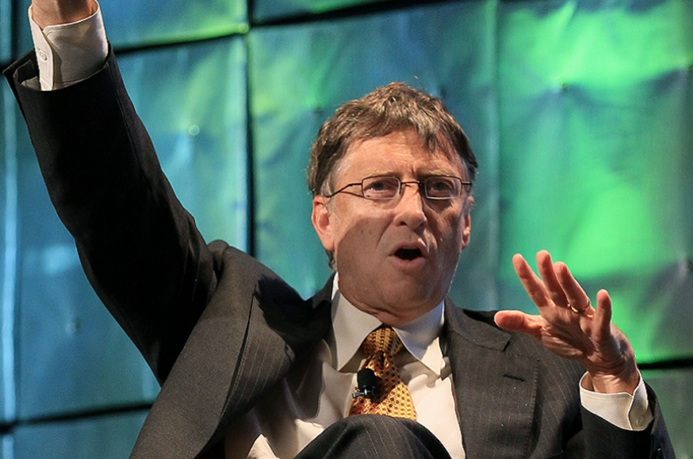
With prescient clairvoyance, Bill Gates predicted the recent sustainable rise of Netflix and Facebook during a Playboy interview back in 1994.
He said that in the age of information technology, everyone should be able to both access and share visual content such as text and video on demand within the virtual network infrastructure.
Today Netflix offers live-streaming TV programs and movies on demand.
Facebook orchestrates and optimizes algorithmic newsfeed customization on its social network platform.
Netflix and Facebook now represent the first and third of the tech giants that form the catchy acronym FANG with superior stock return performance.
In fact, Gates correctly predicted in his book, Business at the Speed of Thought, the inevitable emergence of Palm PCs such as iPhones, iPads, and many other smart phones and tablets in today's digital open society.
If any of our AYA Analytica financial health memos (FHM), blog posts, ebooks, newsletters, and notifications etc, or any other form of online content curation, involves potential copyright concerns, please feel free to contact us at service@ayafintech.network so that we can remove relevant content in response to any such request within a reasonable time frame.
2023-10-14 10:32:00 Saturday ET
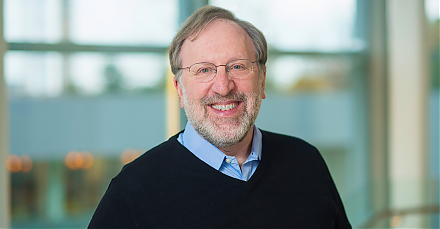
Jonathan Baker frames the current debate over antitrust merger review and enforcement in America. Jonathan Baker (2019) The antitrust paradi
2018-06-25 12:43:00 Monday ET
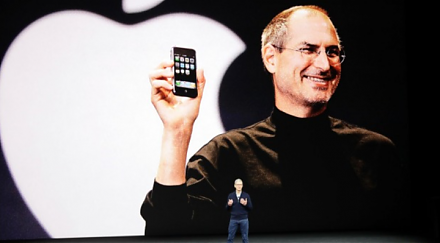
Apple and Samsung are the archrivals for the title of the world's top smart phone maker. The recent patent lawsuit settlement between Apple and Samsung
2018-04-23 07:43:00 Monday ET
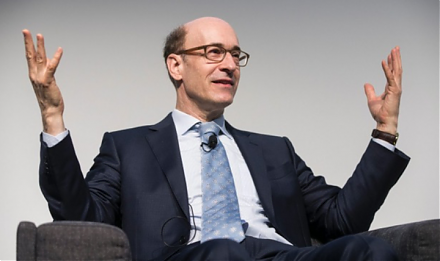
Harvard professor and former IMF chief economist Kenneth Rogoff advocates that artificial intelligence helps augment human productivity growth in the next d
2022-05-05 09:34:00 Thursday ET

Corporate payout management This corporate payout literature review rests on the recent survey article by Farre-Mensa, Michaely, and Schmalz (2014). Out
2019-08-07 08:32:00 Wednesday ET
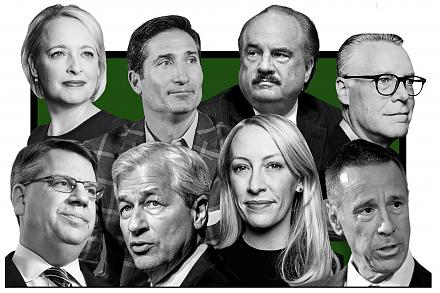
Our fintech finbuzz analytic report shines fresh light on the current global economic outlook. As of Summer-Fall 2019, the current analytic report focuses o
2025-09-16 09:27:00 Tuesday ET
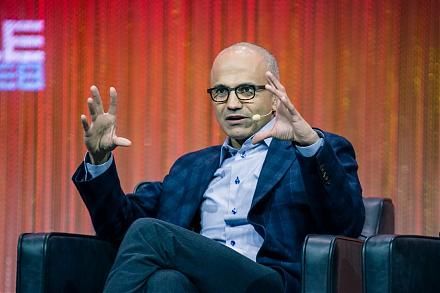
Stock Synopsis: With a new Python program, we use, adapt, apply, and leverage each of the mainstream Gemini Gen AI models to conduct this comprehensive fund