
2019-01-09 07:33:00 Wed ET
technology antitrust competition bilateral trade free trade fair trade trade agreement trade surplus trade deficit multilateralism neoliberalism world trade organization regulation public utility current account compliance
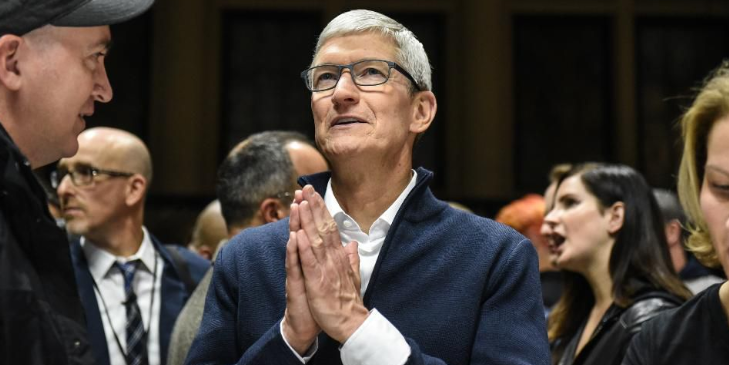
Apple revises down its global sales revenue estimate to $83 billion due to subpar smartphone sales in China. Apple CEO Tim Cook points out the fact that he cannot blame external factors for selling fewer iPhones in the Christmas holiday quarter. However, Apple fails to acknowledge the real possibility that the new iPhone prices may be too high. Apple iPhone prices are about 5 times higher than the average non-iOS smartphones sold by HuaWei, Oppo, and Vivo. The high-end smartphone market may be fully mature with longer replacement cycles. This tech trend poses a major long-term challenge to Apple.
There are at least 3 solutions to weaker global demand for iPhones. First, Apple can broaden the scope of short-term programs for renting pricey iPhones. These rental programs can help transform high-end Apple iPhones into more affordable options. Second, Apple can consider introducing fresh media services in addition to Apple Music. Apple can apply the profitable business models of iTunes and App Store to real-time video streams, games, and several other entertainment outlets. Third, Apple can take advantage of offshore cash repatriation to fund acquisitions of media service providers. These solutions accord with the current Apple business goal of growing media services to quadruple their sales and profits.
If any of our AYA Analytica financial health memos (FHM), blog posts, ebooks, newsletters, and notifications etc, or any other form of online content curation, involves potential copyright concerns, please feel free to contact us at service@ayafintech.network so that we can remove relevant content in response to any such request within a reasonable time frame.
2022-02-05 09:26:00 Saturday ET

Modern themes and insights in behavioral finance Shiller, R.J. (2003). From efficient markets theory to behavioral finance. Journal of Economi
2017-10-03 18:39:00 Tuesday ET
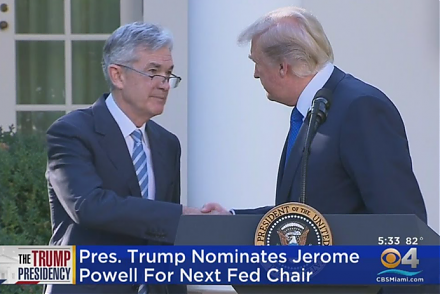
President Trump has nominated Jerome Powell to run the Federal Reserve once Fed Chair Janet Yellen's current term expires in February 2018. Trump's
2017-05-01 09:45:00 Monday ET

Apple now pursues an early harvest strategy that focuses on extracting healthy profits from a relatively static market for the Mac, iPhone, and iPad, all of
2016-10-19 00:00:00 Wednesday ET

India's equivalent to Warren Buffett in America, Rakesh Jhunjhunwala, offers several key lessons for stock market investors: When the press o
2018-12-11 10:34:06 Tuesday ET

Several eminent American China-specialists champion the key notion of *strategic engagement* with the Xi administration. From the Hoover Institution at Stan
2023-09-28 08:26:00 Thursday ET

Daron Acemoglu and James Robinson show a constant economic tussle between society and the state in the hot pursuit of liberty. Daron Acemoglu and James R