
2018-09-15 11:35:00 Sat ET
technology social safety nets education infrastructure health insurance health care medical care medication vaccine social security pension deposit insurance
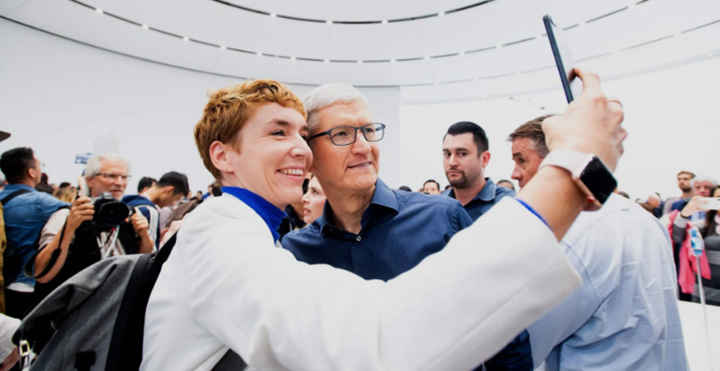
Apple releases its September 2018 trifecta of smart phones or iPhone X sequels: iPhone Xs, iPhone Xs Max, and iPhone XR. Both iPhone Xs and iPhone Xs Max have edge-to-edge OLED touch screens. The former comes with 5.8-inch display, and the latter has the largest ever 6.5-inch display.
Both offer 512GB digital storage so that each user can save about 200,000 photos on each device. Both offer Face ID that Apple's artificial intelligence facilitates in a fraction of a second. Apple's A12 Bionic microchip launches apps 30% faster. With smart 12-megapixel back cameras, these flagship smart phones now allow for the integration of dual SIM cards for each user to add alternative phone numbers to a single device.
Also, iPhone XR serves as the more affordable version and offers 6.1-inch liquid crystal display (LCD) display (Liquid Retina). In fact, iPhone XR comes in white, black, blue, coral, yellow, and red, provides Face ID with no home button, and uses haptic touch to navigate apps. On balance, Apple can afford to charge higher retail prices of the flagship iPhone product lines with high-pixel camera resolution, longer battery life, and better digital storage.
If any of our AYA Analytica financial health memos (FHM), blog posts, ebooks, newsletters, and notifications etc, or any other form of online content curation, involves potential copyright concerns, please feel free to contact us at service@ayafintech.network so that we can remove relevant content in response to any such request within a reasonable time frame.
2019-06-11 12:33:00 Tuesday ET
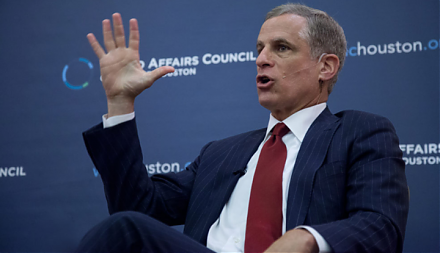
Dallas Federal Reserve Bank President Robert Kaplan expects the U.S. economy to grow at 2.2%-2.5% in 2019-2020 as inflation rises a bit. In an interview wit
2018-08-19 10:34:00 Sunday ET

The World Economic Forum warns that artificial intelligence may destabilize the financial system. Artificial intelligence poses at least a trifecta of major
2017-11-25 06:34:00 Saturday ET
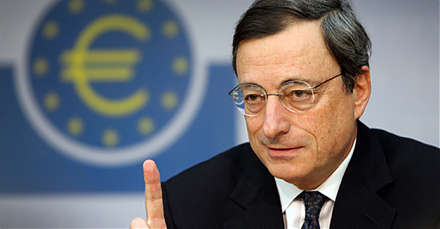
Mario Draghi, President of the European Central Bank, heads the international committee of financial supervisors and has declared their landmark agreement o
2027-10-31 00:00:00 Sunday ET
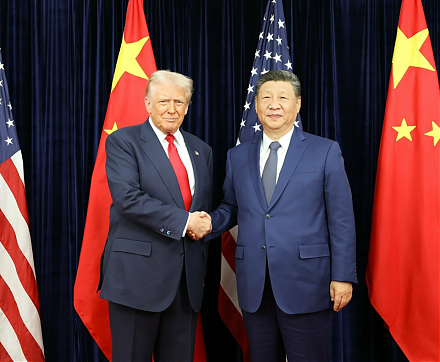
In the technological race between the U.S. and China, America leads in some strategic sectors from AI large language models (LLM), graphics processing units
2018-10-21 14:40:00 Sunday ET
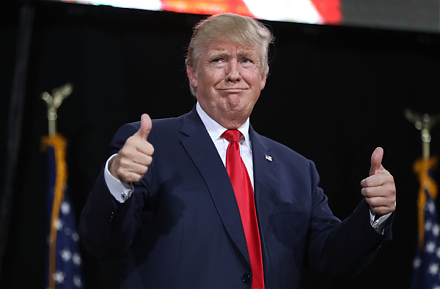
President Trump floats generous 10% tax cuts for the U.S. middle class ahead of the November 2018 mid-term elections. Republican senators, congressmen, and
2018-06-07 10:36:00 Thursday ET
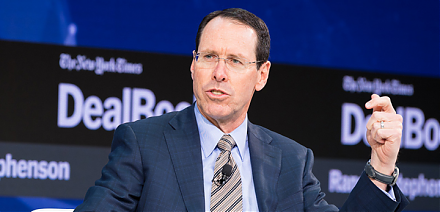
AT&T wins court approval to take over Time Warner with a trademark $85 billion bid despite the Trump administration prior dissent due to antitrust conce