
2018-08-01 11:43:00 Wed ET
stock market gold oil stock return s&p 500 asset market stabilization asset price fluctuations stocks bonds currencies commodities funds term spreads credit spreads fair value spreads asset investments
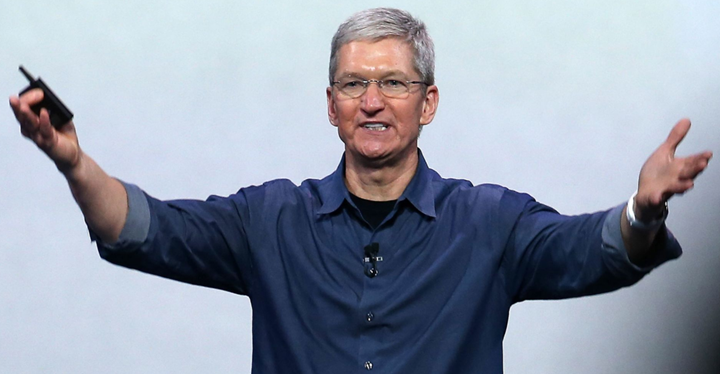
Apple becomes the first company to hit $1 trillion stock market valuation. The tech titan sells about the same number of smart phones or 41 million iPhones and other mobile devices in 2018Q2 in comparison to 2017Q2. Thanks to its flagship iPhone X, Apple substantially boosts the average price per unit to $724. Due to this higher average price per unit, Apple rakes into $11.5 billion net profits in 2018Q2.
Apple's iPhones remain its most important products and account for about 60% of total revenue. Total sales grow 17% to $53.3 billion with a healthy EPS of $2.2 per share. Services sales also grow 31% to $9.6 billion, thus this trend is on track for services sales to double by 2020.
Apple sits on more than $240 billion cash stockpiles and now plans to return to its shareholders in the form of $100 billion share repurchases. In response, the stock market rewards this outperformance with a whopping 5% share price increase.
Apple's ascent beyond $1 trillion in stock market value then confirms a remarkable turnaround from the brink of bankruptcy about 2 decades ago. Meanwhile, Apple CEO Tim Cook needs to evaluate the effect of new tariffs on Chinese imports that may affect Apple Watch sales in recent consultation with the Trump administration.
If any of our AYA Analytica financial health memos (FHM), blog posts, ebooks, newsletters, and notifications etc, or any other form of online content curation, involves potential copyright concerns, please feel free to contact us at service@ayafintech.network so that we can remove relevant content in response to any such request within a reasonable time frame.
2018-07-30 11:36:00 Monday ET
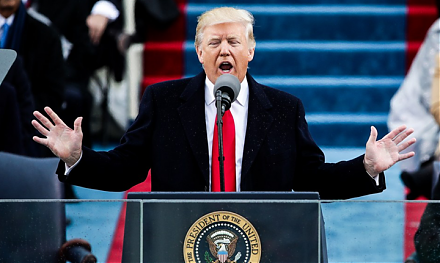
Trumpism may now become the new populist world order of economic governance. Populist support contributes to Trump's 2016 presidential election victory
2018-05-06 07:30:00 Sunday ET
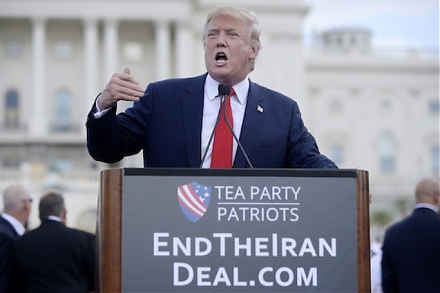
President Trump withdraws America from the Iran nuclear agreement and revives economic sanctions on Iran for better negotiations as western allies Britain,
2017-12-03 08:37:00 Sunday ET
Sean Parker, Napster founder and a former investor in Facebook, has become a "conscientious objector" on Facebook. Parker says Facebook explo
2020-11-01 11:21:00 Sunday ET
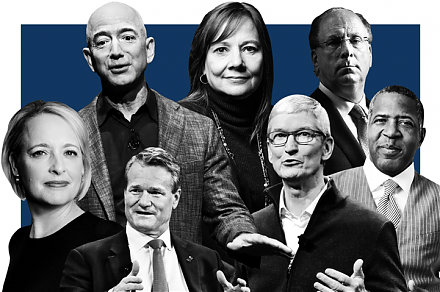
Artificial intelligence continues to push boundaries for several tech titans to sustain their central disruptive innovations, competitive moats, and first-m
2017-01-17 12:42:00 Tuesday ET
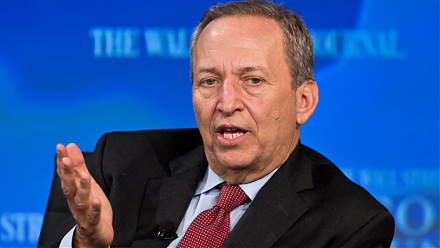
Former Treasury Secretary and Harvard President Larry Summers critiques that the Trump administration's generous tax holiday for American multinational
2017-11-13 07:42:00 Monday ET
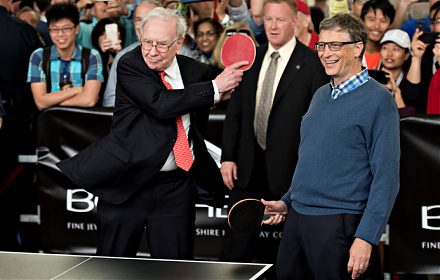
Top 2 wealthiest men Bill Gates and Warren Buffett shared their best business decisions in a 1998 panel discussion with students at the University of Washin