
PepsiCo, Inc. is the manufacturing, marketing, and distribution of grain-based snack foods, beverages, and other products. It's driven by a complementary food and beverage portfolio that includes Frito-Lay, Gatorade, Pepsi-Cola, Quaker and Tropicana. PepsiCo's product portfolio includes a wide range of enjoyable foods and beverages. It distributes its products through direct-store-delivery and customer warehouse systems, as well as third-party networks. It also sells ready-to-drink tea and coffee products through joint ventures with Unilever and Starbucks along with brands like Crush and Dr Pepper. The company operates business across the U.S., Canada, Europe, Africa, Middle East, South Asia, Asia Pacific, Australia, New Zealand and China....
+See MoreSharpe-Lintner-Black CAPM alpha (Premium Members Only) Fama-French (1993) 3-factor alpha (Premium Members Only) Fama-French-Carhart 4-factor alpha (Premium Members Only) Fama-French (2015) 5-factor alpha (Premium Members Only) Fama-French-Carhart 6-factor alpha (Premium Members Only) Dynamic conditional 6-factor alpha (Premium Members Only) Last update: Saturday 17 October 2026
2018-06-17 10:35:00 Sunday ET
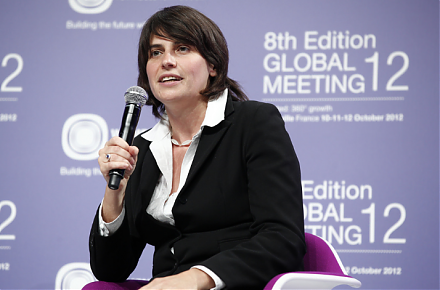
In the past decades, capital market liberalization and globalization have combined to connect global financial markets to allow an ocean of money to flow th
2017-11-03 06:41:00 Friday ET
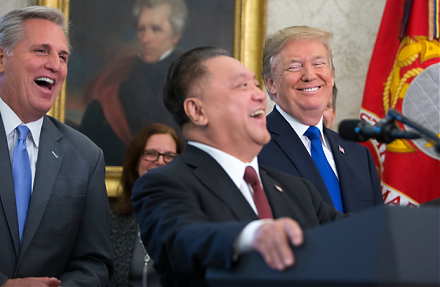
Broadcom, a one-time division of Hewlett-Packard and now a semiconductor maker whose chips help power iPhone X, has announced its strategic plans to move it
2018-09-25 10:35:00 Tuesday ET
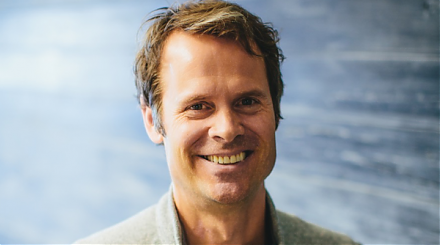
Sirius XM pays $3.5 billion shares to acquire the music app company Pandora. This acquisition would form the largest audio entertainment company worldwide.
2018-12-15 14:38:00 Saturday ET
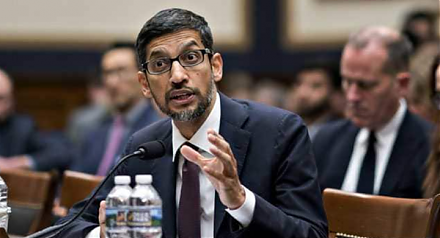
Google CEO Sundar Pichai makes his debut testimony before Congress. The post-mid-term-election House Judiciary Committee bombards Pichai with key questions
2025-10-02 12:31:00 Thursday ET
Stock Synopsis: With a new Python program, we use, adapt, apply, and leverage each of the mainstream Gemini Gen AI models to conduct this comprehensive fund
2017-05-07 06:39:00 Sunday ET
While the original five-factor asset pricing model arises from a quasi-lifetime of top empirical research by Nobel Laureate Eugene Fama and his long-time co
 Reports
 Metrics
 Events
 AI Stock Synopses