
MANHATTAN BRIDGE CAPITAL INC., formerly DAG Media, Inc., through its subsidiaries, provides short term, secured, non-banking, commercial loans to small businesses against good collateral, such as real estate, receivables, trading shares, etc., in addition to personal guarantees of the principles in most cases. In addition it develops innovative software and a related web site that allows retail businesses and other service providers to reach prospective customers and clients for their goods and services in a more effective way than traditional on-line and print yellow pages search....
+See MoreSharpe-Lintner-Black CAPM alpha (Premium Members Only) Fama-French (1993) 3-factor alpha (Premium Members Only) Fama-French-Carhart 4-factor alpha (Premium Members Only) Fama-French (2015) 5-factor alpha (Premium Members Only) Fama-French-Carhart 6-factor alpha (Premium Members Only) Dynamic conditional 6-factor alpha (Premium Members Only) Last update: Saturday 17 October 2026
2020-07-19 09:25:00 Sunday ET

Senior business leaders can learn much from the lean production system with iterative continuous improvements at Toyota. Takehiko Harada (2015)
2022-02-05 09:26:00 Saturday ET

Modern themes and insights in behavioral finance Shiller, R.J. (2003). From efficient markets theory to behavioral finance. Journal of Economi
2025-09-16 09:27:00 Tuesday ET
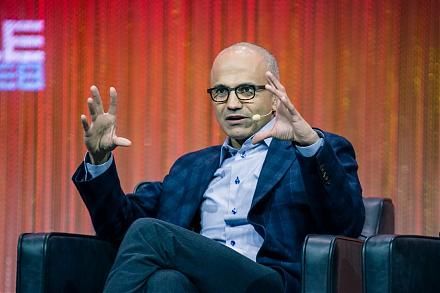
Stock Synopsis: With a new Python program, we use, adapt, apply, and leverage each of the mainstream Gemini Gen AI models to conduct this comprehensive fund
2019-10-01 11:33:00 Tuesday ET

The Trump administration postpones increasing 25% to 30% tariffs on $250 billion Chinese imports after China extends an olive branch to de-escalate Sino-Ame
2017-08-31 09:36:00 Thursday ET

The Trump administration has initiated a new investigation into China's abuse of American intellectual property under Section 301 of the Trade Act of 19
2019-09-07 17:37:00 Saturday ET
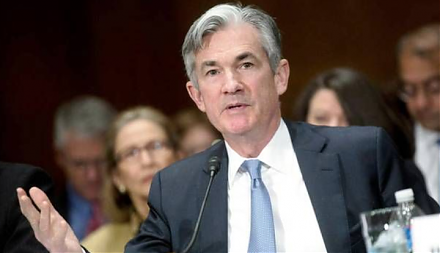
Federal Reserve Chair Jerome Powell announces the monetary policy decision to lower the federal funds rate by a quarter point to 2%-2.25%. This interest rat
 Reports
 Metrics
 Events
 AI Stock Synopses