
FibroGen, Inc. is a research-based biotechnology company. It is focused on the discovery, development, and commercialization of therapeutic agents for treatment of anemia, fibrosis, cancer, and other serious unmet medical needs. The Company develops Roxadustat that is in Phase III clinical development for the treatment of anemia in chronic kidney disease; and FG-3019 which is in Phase II clinical development for the treatment of idiopathic pulmonary fibrosis, pancreatic cancer, and liver fibrosis. FibroGen, Inc. is headquartered in San Francisco, California....
+See MoreSharpe-Lintner-Black CAPM alpha (Premium Members Only) Fama-French (1993) 3-factor alpha (Premium Members Only) Fama-French-Carhart 4-factor alpha (Premium Members Only) Fama-French (2015) 5-factor alpha (Premium Members Only) Fama-French-Carhart 6-factor alpha (Premium Members Only) Dynamic conditional 6-factor alpha (Premium Members Only) Last update: Saturday 17 October 2026
2019-07-07 18:36:00 Sunday ET

The Chinese central bank has to circumvent offshore imports-driven inflation due to Renminbi currency misalignment. Even though China keeps substantial fore
2018-06-25 12:43:00 Monday ET

Apple and Samsung are the archrivals for the title of the world's top smart phone maker. The recent patent lawsuit settlement between Apple and Samsung
2019-08-05 13:30:00 Monday ET
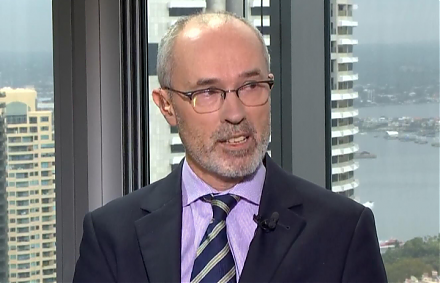
China continues to sell U.S. Treasury bonds amid Sino-U.S. trade truce uncertainty. In mid-2019, China reduces its U.S. Treasury bond positions by $20.5 bil
2018-02-15 07:43:00 Thursday ET

Fed minutes reflect gradual interest rate normalization in response to high inflation risk. FOMC members revise up the economic projections made at the Dece
2017-05-19 09:39:00 Friday ET

FAMGA stands for Facebook, Apple, Microsoft, Google, and Amazon. These tech giants account for more than 15% of market capitalization of the American stock
2018-10-11 08:44:00 Thursday ET
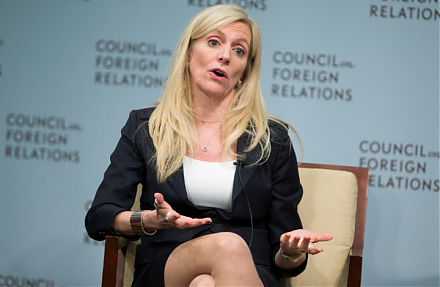
Treasury bond yield curve inversion often signals the next economic recession in America. In fact, U.S. bond yield curve inversion correctly predicts the da
 Reports
 Metrics
 Events
 AI Stock Synopses