
Biostar Pharmaceuticals, Inc. (Biostar), incorporated on March 27, 2007, is a holding company. The Company, through its subsidiary, Shaanxi Biostar Biotech, Ltd. (Shaanxi Biostar), and its variable interest entities (VIEs), Shaanxi Aoxing Pharmaceutical Co., Ltd. (Aoxing Pharmaceutical) and Shaanxi Weinan Huaren Pharmaceuticals Ltd. (Shaanxi Weinan), develops, manufactures and markets pharmaceutical products for various diseases and conditions in the People's Republic of China (PRC or China). The Company offers over-the-counter (OTC) products and prescription-based pharmaceuticals. The Company's products are derived from medicinal herbs that are either grown at its own facility or purchased from its suppliers. The Company's products are sold in approximately 30 provinces in the PRC through a network of over 60 distributors and through approximately 230 sales people. ...
+See MoreSharpe-Lintner-Black CAPM alpha (Premium Members Only) Fama-French (1993) 3-factor alpha (Premium Members Only) Fama-French-Carhart 4-factor alpha (Premium Members Only) Fama-French (2015) 5-factor alpha (Premium Members Only) Fama-French-Carhart 6-factor alpha (Premium Members Only) Dynamic conditional 6-factor alpha (Premium Members Only) Last update: Saturday 17 October 2026
2019-04-05 08:25:00 Friday ET

Warren Buffett places his $58 billion stock bets on Apple, American Express, and Goldman Sachs. Berkshire Hathaway owns $18 billion equity stakes in America
2024-02-04 08:28:00 Sunday ET

Our proprietary alpha investment model outperforms most stock market indexes from 2017 to 2024. Our proprietary alpha investment model outperforms the ma
2025-07-01 13:35:00 Tuesday ET

In recent times, financial deglobalization and asset market fragmentation can cause profound public policy implications for trade, finance, and technology w
2018-03-03 11:37:00 Saturday ET
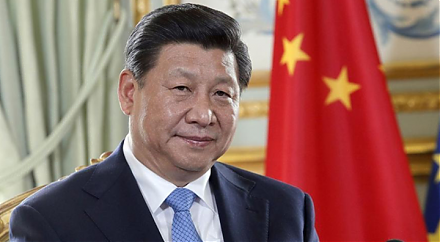
President Xi seeks Chinese congressional approval and constitutional amendment for abolishing his term limits of strongman rule with more favorable trade de
2018-05-15 08:40:00 Tuesday ET
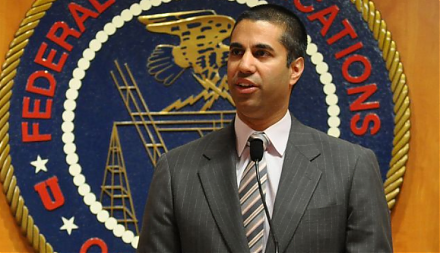
Net neutrality rules continue to revolve around the Trump administration's current IT agenda of 5G telecom transformation. Republican Senate passes the
2019-09-11 09:31:00 Wednesday ET

Central banks in India, Thailand, and New Zealand lower their interest rates in a defensive response to the Federal Reserve recent rate cut. The central ban
 Reports
 Metrics
 Events
 AI Stock Synopses