
BROOKFIELD INFRASTRUCTURE PARTNERS L.P. was established by Brookfield Asset Management as its primary vehicle to own and operate certain infrastructure assets on a global basis. Brookfield Infrastructure operates high quality, long-life assets that generate stable cash flows, require relatively minimal maintenance capital expenditures and, by virtue of barriers to entry and other characteristics, tend to appreciate in value over time. Its current business consists of the ownership and operation of premier electricity transmission systems and timberlands in North and South America, and it seeks acquisition opportunities in other infrastructure sectors with similar attributes....
+See MoreSharpe-Lintner-Black CAPM alpha (Premium Members Only) Fama-French (1993) 3-factor alpha (Premium Members Only) Fama-French-Carhart 4-factor alpha (Premium Members Only) Fama-French (2015) 5-factor alpha (Premium Members Only) Fama-French-Carhart 6-factor alpha (Premium Members Only) Dynamic conditional 6-factor alpha (Premium Members Only) Last update: Saturday 17 October 2026
2019-06-01 10:33:00 Saturday ET
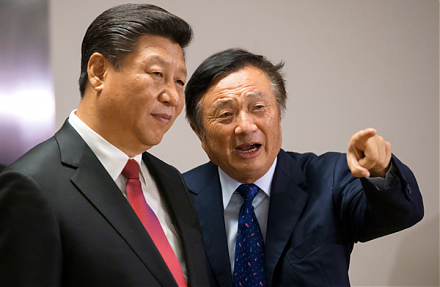
Top tech firms such as Google, Intel, and Qualcomm suspend Android services to HuaWei as the Trump administration blacklists the Chinese company. HuaWei can
2017-10-09 09:34:00 Monday ET
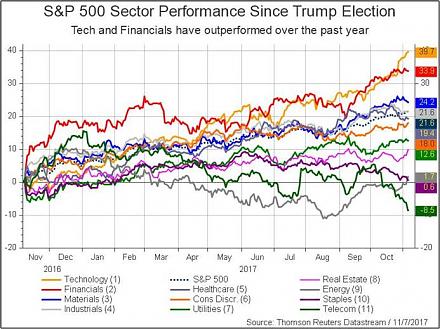
The current Trump stock market rally has been impressive from November 2016 to October 2017. S&P 500 has risen by 21.1% since the 2016 presidential elec
2017-03-21 09:37:00 Tuesday ET
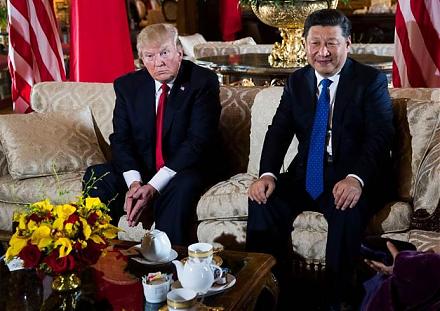
Trump and Xi meet in the most important summit on earth this year. Trump has promised to retaliate against China's currency misalignment, steel trade
2018-05-02 06:32:00 Wednesday ET
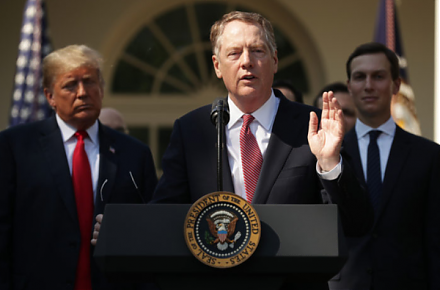
What are the primary pros and cons of free trade or fair trade in the current Sino-American quagmire? Free trade means allowing goods and services to move a
2019-02-04 07:42:00 Monday ET
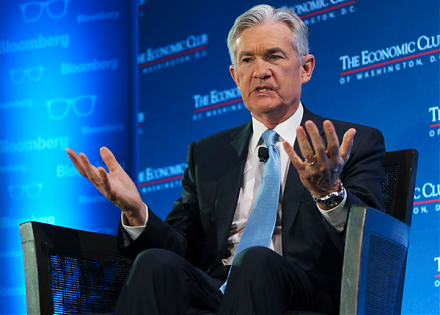
Federal Reserve remains patient on future interest rate adjustments due to global headwinds and impasses over American trade and fiscal budget negotiations.
2025-09-13 12:23:00 Saturday ET
Stock Synopsis: With a new Python program, we use, adapt, apply, and leverage each of the mainstream Gemini Gen AI models to conduct this comprehensive fund
 Reports
 Metrics
 Events
 AI Stock Synopses