Blue Hills Bancorp, Inc. (Blue Hills Bancorp), incorporated on February 27, 2014, is a bank holding company for the Blue Hills Bank (the Bank). Blue Hills Bank is a Massachusetts-chartered savings bank. As of December 31, 2016, the Bank provided financial services to individuals, families, small to mid-size businesses and government and non-profit organizations online and through its 11 full-service branch offices located in Brookline, Dedham, Hyde Park, Milton, Nantucket, Norwood, West Roxbury, and Westwood, Massachusetts. It also operates loan production offices in Boston, Cambridge, Franklin, Plymouth, Winchester, Hingham, Concord and Lowell, Massachusetts. Its primary deposit-taking market includes Norfolk, Suffolk and Nantucket Counties in Massachusetts, and its lending market is primarily based in eastern Massachusetts. ...
+See MoreSharpe-Lintner-Black CAPM alpha (Premium Members Only) Fama-French (1993) 3-factor alpha (Premium Members Only) Fama-French-Carhart 4-factor alpha (Premium Members Only) Fama-French (2015) 5-factor alpha (Premium Members Only) Fama-French-Carhart 6-factor alpha (Premium Members Only) Dynamic conditional 6-factor alpha (Premium Members Only) Last update: Saturday 17 October 2026
2021-02-02 14:24:00 Tuesday ET

Our proprietary alpha investment model outperforms the major stock market benchmarks such as S&P 500, MSCI, Dow Jones, and Nasdaq. We implement
2019-11-21 11:34:00 Thursday ET
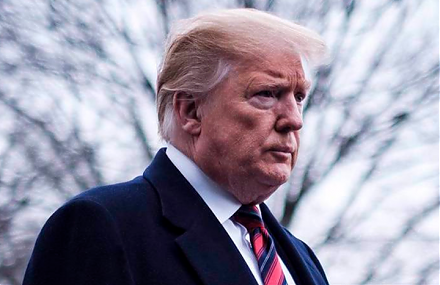
Berkeley macro economist Brad DeLong sees no good reasons for an imminent economic recession with mass unemployment and even depression. The current U.S. ec
2020-05-05 09:31:00 Tuesday ET

Our fintech finbuzz analytic report shines fresh light on the fundamental prospects of U.S. tech titans Facebook, Apple, Microsoft, Google, and Amazon (F.A.
2019-03-23 09:31:00 Saturday ET
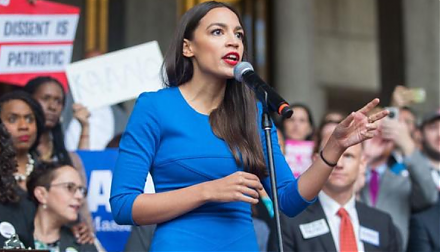
Congresswoman Alexandria Ocasio-Cortez proposes greater public debt finance with minimal tax increases for the Green New Deal. In accordance with the modern
2020-01-01 13:39:00 Wednesday ET
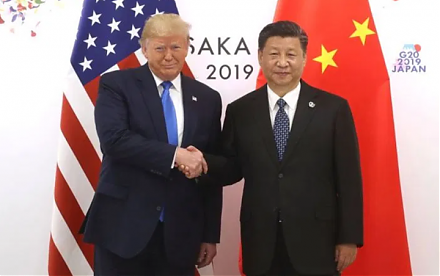
President Trump approves a phase one trade agreement with China. This approval averts the introduction of new tariffs on Chinese imports. In return, China s
2023-01-03 09:34:00 Tuesday ET
USPTO fintech patent protection and accreditation As of early-January 2023, the U.S. Patent and Trademark Office (USPTO) has approved
 Reports
 Metrics
 Events
 AI Stock Synopses