
APB Resources Berhad is an investment holding company. The Company and its subsidiaries are involved in the fabrication of specialized design engineering equipment for petrochemical process industry, chemical industry, oil palm processing industry, paper mill industry and power generation industry, and the provision of non-destructive testing services. The Company operates through three segments: Fabrication, Non-destructive testing and Others. The Fabrication segment is engaged in the fabrication of specially designed and manufacturing of engineering equipment. The Non-destructive testing segment is engaged in the provision of non-destructive testing services and other related services. The Others segment includes investment holding and dormant companies. The Company's subsidiaries include Era Julung Sdn. Bhd., Prescan Sdn. Bhd., Amalgamated Metal Corporation (M) Sdn. Bhd. and Finned Tubes Malaysia Sdn. Bhd....
+See MoreSharpe-Lintner-Black CAPM alpha (Premium Members Only) Fama-French (1993) 3-factor alpha (Premium Members Only) Fama-French-Carhart 4-factor alpha (Premium Members Only) Fama-French (2015) 5-factor alpha (Premium Members Only) Fama-French-Carhart 6-factor alpha (Premium Members Only) Dynamic conditional 6-factor alpha (Premium Members Only) Last update: Saturday 17 October 2026
2018-11-05 10:40:00 Monday ET
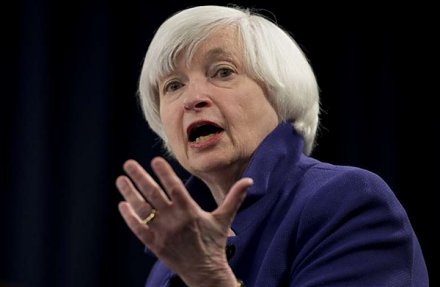
Former Fed Chair Janet Yellen worries about U.S. government debt accumulation, expects new interest rate increases, and warns of the next economic recession
2019-08-07 08:32:00 Wednesday ET

Our fintech finbuzz analytic report shines fresh light on the current global economic outlook. As of Summer-Fall 2019, the current analytic report focuses o
2020-03-26 10:31:00 Thursday ET

The unique controversial management style of Steve Jobs helps translate his business acumen into smart product development. Jay Elliot (2012) Leading
2018-01-15 07:35:00 Monday ET
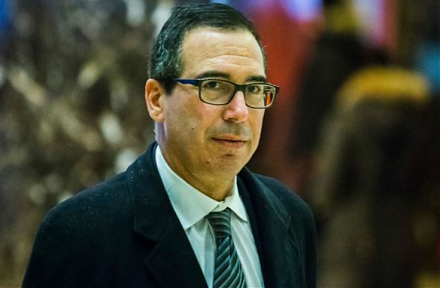
Treasury Secretary Steven Mnuchin welcomes a weak U.S. dollar amid pervasive fears of an open trade war between America and China. At the World Economic For
2020-07-26 15:29:00 Sunday ET
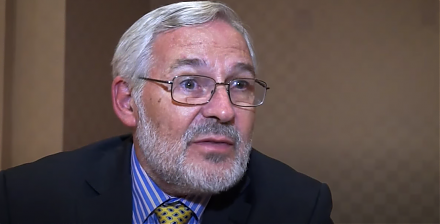
Firms and customers create value and wealth together by joining the continual flow of small batches of lean production to the lean consumption of cost-effec
2019-04-25 09:35:00 Thursday ET
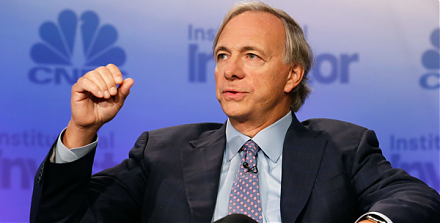
Bridgewater hedge fund founder Ray Dalio suggests that the current state of U.S. capitalism poses an existential threat for many Americans. Dalio deems the
 Reports
 Metrics
 Events
 AI Stock Synopses