
BLDRS Emerging Markets 50 ADR Index Fund (the Fund) is a unit investment trust designed to provide investment results that correspond generally to the price and yield performance of the publicly traded depositary receipts comprising The Bank of New York Emerging Markets 50 ADR Index. As of September 30, 2006, The BNY Emerging Markets 50 ADR Index included 50 component depositary receipts representing the securities issued by 50 of the most actively traded companies from the international and emerging markets having a free-float market capitalization ranging from approximately $3 billion to over $30 billion. ...
+See MoreSharpe-Lintner-Black CAPM alpha (Premium Members Only) Fama-French (1993) 3-factor alpha (Premium Members Only) Fama-French-Carhart 4-factor alpha (Premium Members Only) Fama-French (2015) 5-factor alpha (Premium Members Only) Fama-French-Carhart 6-factor alpha (Premium Members Only) Dynamic conditional 6-factor alpha (Premium Members Only) Last update: Saturday 17 October 2026
2019-07-07 18:36:00 Sunday ET

The Chinese central bank has to circumvent offshore imports-driven inflation due to Renminbi currency misalignment. Even though China keeps substantial fore
2018-08-07 07:33:00 Tuesday ET

President Trump sounds smart when he comes up with a fresh plan to retire $15 trillion national debt. This plan entails taxing American consumers and produc
2019-10-15 09:13:00 Tuesday ET

U.K. prime minister Boris Johnson encounters defeat during his new premiership. The first major vote would pave the path of least resistance to passing a no
2018-10-11 08:44:00 Thursday ET
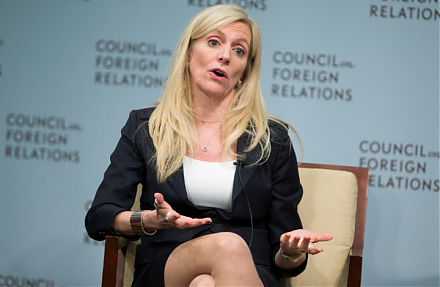
Treasury bond yield curve inversion often signals the next economic recession in America. In fact, U.S. bond yield curve inversion correctly predicts the da
2025-05-29 08:25:28 Thursday ET
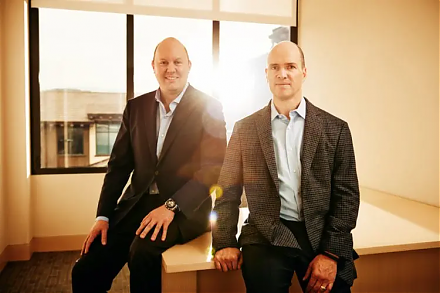
Serial venture capitalist Ben Horowitz describes many hard truths, lessons, and insights from his entrepreneurial journey of running LoudCloud from a Silico
2019-03-15 13:36:00 Friday ET
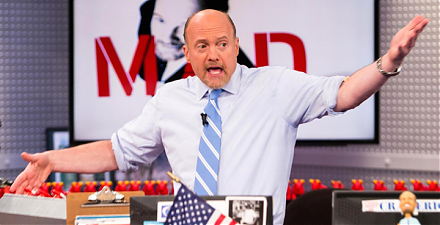
CNBC stock host Jim Cramer recommends both Caterpillar and Home Depot as the U.S. bull market is likely to continue in light of the recent Fed Chair comment
 Reports
 Metrics
 Events
 AI Stock Synopses