
Nasdaq Inc. is a leading provider of trading, clearing, marketplace technology, regulatory, securities listing, information and public and private company services. The company's global offerings are diverse and include trading and clearing across multiple asset classes, trade management services, data products, financial indexes, capital formation solutions, corporate solutions, and market technology products and services. Its technology powers markets across the globe, supporting equity derivative trading, clearing and settlement, cash equity trading, fixed income trading, trading surveillance and many other functions. In the United States., the company operates The Nasdaq Stock Market, while in Europe, it operates exchanges in Sweden, Denmark, Finland, and Iceland as Nasdaq Nordic, and exchanges in Estonia, Latvia and Lithuania as Nasdaq Baltic. Nasdaq manages, operates and provides products/services in 4 business segments: Market Services, Corporate Services, Information Services and Market Technology....
+See More2018-06-11 07:44:00 Monday ET
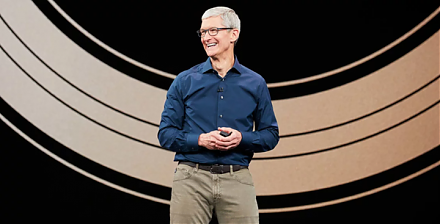
Facebook, Apple, Amazon, Netflix, and Google (FAANG) have been the motor of the S&P 500 stock market index. Several economic media commentators contend
2025-07-01 13:35:00 Tuesday ET
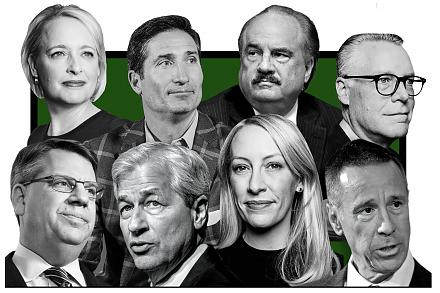
In recent times, financial deglobalization and asset market fragmentation can cause profound public policy implications for trade, finance, and technology w
2025-09-13 12:23:00 Saturday ET
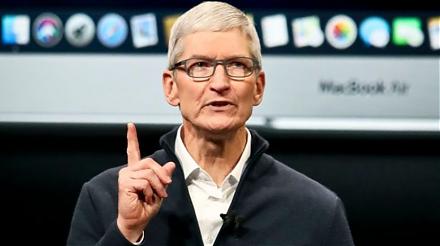
Stock Synopsis: With a new Python program, we use, adapt, apply, and leverage each of the mainstream Gemini Gen AI models to conduct this comprehensive fund
2019-02-02 11:36:00 Saturday ET

The Trump administration teams up with western allies to bar HuaWei and other Chinese tech firms from building the 5G high-speed infrastructure due to natio
2017-03-15 08:46:00 Wednesday ET

The heuristic rule of *accumulative advantage* suggests that a small fraction of the population enjoys a large proportion of both capital and wealth creatio
2019-02-06 10:36:49 Wednesday ET
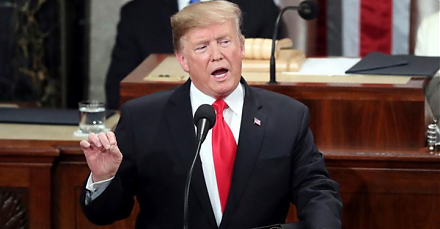
President Trump delivers his second state-of-the-union address to U.S. Congress. Several key themes emerge from this presidential address. First, President