
The Carlyle Group Inc., one among the largest global investment firms, originates, structures and acts as lead equity investor in management-led buyouts, strategic minority equity investments, equity private placements, consolidations & buildups, growth capital financings, real estate opportunities, bank loans, high-yield debt, distressed assets, mezzanine debt, etc.'It provides investment management services to private equity funds, real estate funds, private credit funds, collateralized loan obligations, etc. It has 3 reportable units. Global Private Equity unit advises buyout, growth, real estate and natural resources funds. Global Credit unit advises funds & vehicles that pursue investment strategies, like loans & structured credit, direct lending, opportunistic credit, distressed credit, aircraft financing & servicing, infrastructure debt and insurance solutions. Global Investment Solutions unit advises through fund of funds, secondary purchases of existing portfolios and managed co-investment programs....
+See More2022-10-15 09:34:00 Saturday ET

Internal capital markets and financial constraints Duchin (JF 2010) empirically finds that multidivisional firms with robust internal capital markets ret
2023-08-31 10:22:00 Thursday ET

Government intervention remains a major influence over global trade, finance, and technology. Nowadays, many governments tend to eschew common ownership
2018-09-21 09:41:00 Friday ET

Former World Bank and IMF chief advisor Anne Krueger explains why the Trump administration's current tariff tactics undermine the multilateral global tr
2019-08-14 10:31:00 Wednesday ET

Netflix suffers its first major loss of U.S. subscribers due to the recent price hikes. The company adds only 2.7 million new subscribers in 2019Q2 in stark
2019-09-03 14:29:00 Tuesday ET
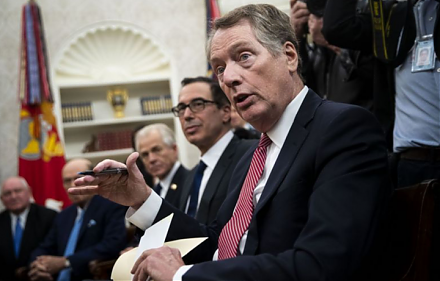
Due to U.S. tariffs and other cloudy causes of economic policy uncertainty, Apple, Nintendo, and Samsung start to consider making tech products in Vietnam i
2019-02-17 14:40:00 Sunday ET
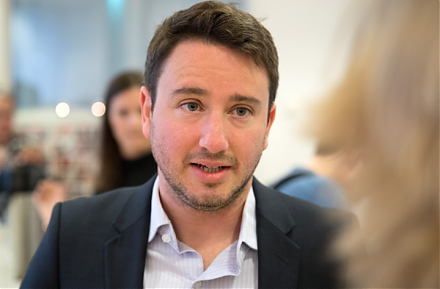
U.S. economic inequality increases to pre-Great-Depression levels. U.C. Berkeley economics professor Gabriel Zucman empirically finds that the top 0.1% rich