
AutoZone, Inc. is the nation's leading retailer and a leading distributor of automotive replacement parts and accessories in the U.S., Puerto Rico, Mexico, and Brazil. Also, it has offices in Shanghai, China, to support sourcing efforts in Asia. It operates in the Do-It-Yourself (DIY) retail, Do-It-for-Me (DIFM) auto parts and products markets. Each AutoZone store carries an extensive product line for cars, sport utility vehicles, vans and light trucks, including new and remanufactured automotive hard parts, maintenance items, accessories and non-automotive products. Many of AutoZone stores also have a commercial sales program that provides commercial credit and prompt delivery of parts and other products to local, regional and national repair garages, dealers, service stations and public sector accounts. Also, it sells automotive hard parts, maintenance items, accessories and non-automotive products, also performance and replacement parts through websites....
+See More2019-08-18 11:33:00 Sunday ET

House Judiciary Committee summons senior executive reps of the tech titans to assess online platforms and their market power. These companies are Facebook,
2018-11-25 12:37:00 Sunday ET
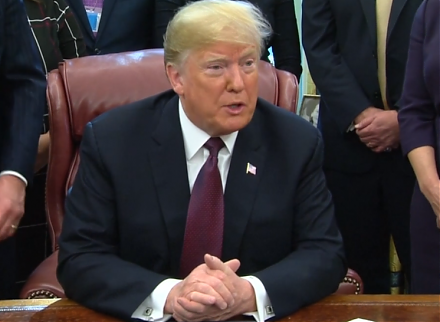
The Chinese administration delivers a written response to U.S. demands for trade reforms. This strategic move helps trigger more formal negotiations between
2023-02-14 09:31:00 Tuesday ET

Eric Posner and Glen Weyl propose radical reforms to resolve key market design problems for better democracy and globalization. Eric Posner and Glen Weyl
2019-10-13 16:22:00 Sunday ET

Apple unveils 3 iPhone 11 models with new original video services and stars such as Oprah Winfrey, Jennifer Aniston, and Reese Witherspoon. Apple releases t
2019-01-08 17:46:00 Tuesday ET
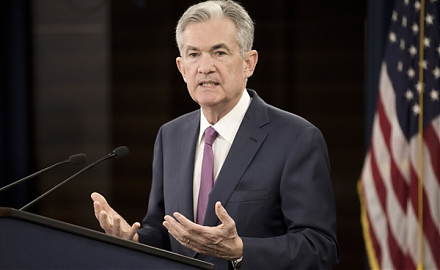
President Trump forces the Federal Reserve to normalize the current interest rate hike to signal its own monetary policy independence from the White House.
2019-05-23 10:33:00 Thursday ET

Berkeley professor and economist Barry Eichengreen reconciles the nominal and real interest rates to argue in favor of greater fiscal deficits. French econo