
2019-01-12 10:33:00 Sat ET
treasury deficit debt employment inflation interest rate macrofinance fiscal stimulus economic growth fiscal budget public finance treasury bond treasury yield sovereign debt sovereign wealth fund tax cuts government expenditures
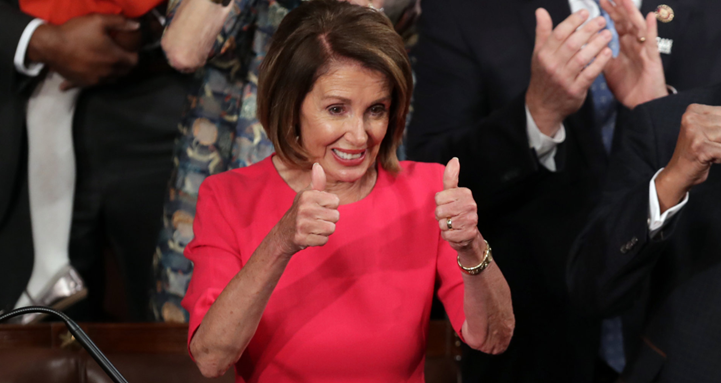
With majority control, House Democrats pass 2 bills to reopen the U.S. government without funding the Trump border wall. President Trump makes a surprise White House appearance to reiterate his intention to keep up the fight for the signature campaign promise of a border wall against Mexico. House Speaker Nancy Pelosi states that both President Trump and Republican Senate should *take yes for an answer* to approve the 2 bills without border wall finance. If President Trump and Republican Senate pass these bills, federal agencies would receive public finance to end the partial government shutdown.
Several House Republicans break with the Trump administration and vote in favor of reopening the U.S. government without any border wall finance. It is unlikely for President Trump and Republican Senate to accept this outcome without any form of border wall finance. Nevertheless, the Trump administration may need to realign stock market investor and taxpayer expectations with no more than $5 billion public finance for the southern border wall. In the best-case scenario, both parties would need to compromise on this budget issue. Otherwise President Trump, Republican Senate, and House Democrats would bear responsibility for public outrage in light of the current government shutdown.
If any of our AYA Analytica financial health memos (FHM), blog posts, ebooks, newsletters, and notifications etc, or any other form of online content curation, involves potential copyright concerns, please feel free to contact us at service@ayafintech.network so that we can remove relevant content in response to any such request within a reasonable time frame.
2018-12-07 11:35:00 Friday ET
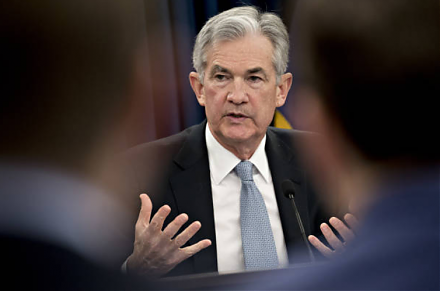
Fed Chair Jerome Powell hints slower interest rate increases because the current rate is just below the neutral threshold. NYSE and NASDAQ share prices rebo
2020-11-01 11:21:00 Sunday ET

Artificial intelligence continues to push boundaries for several tech titans to sustain their central disruptive innovations, competitive moats, and first-m
2018-04-13 14:42:00 Friday ET
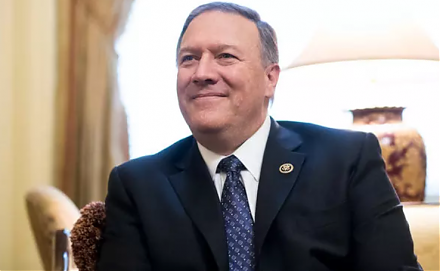
Mike Pompeo switches his critical role from CIA Director to State Secretary in a secret visit to North Korea with no regime change as the North Korean dicta
2023-12-04 12:30:00 Monday ET
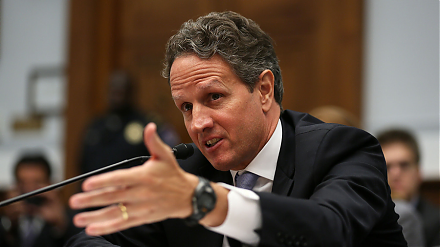
Bank leverage and capital bias adjustment through the macroeconomic cycle Abstract We assess the quantitative effects of the recent proposal
2019-03-03 10:39:00 Sunday ET

Tech companies seek to serve as quasi-financial intermediaries. Retail traders can list items for sale on eBay and then acquire these items economically on
2022-05-15 10:29:00 Sunday ET

Innovative investment theory and practice Corporate investment can be in the form of real tangible investment or intangible investment. The former conce