
2017-11-23 10:42:00 Thu ET
stock market competition macrofinance stock return s&p 500 financial crisis financial deregulation bank oligarchy systemic risk asset market stabilization asset price fluctuations regulation capital financial stability dodd-frank
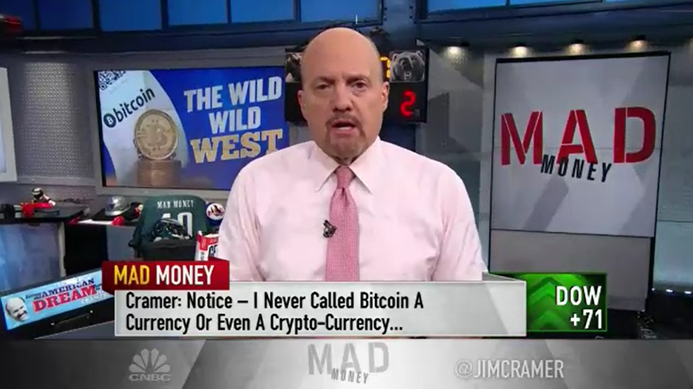
As the TV host of Mad Money, Jim Cramer provides 5 key reasons against the purchase and use of cryptocurrencies such as Bitcoin. First, no one knows the anonymous inventor of Bitcoin. Second, no one knows how much the creator has reserved for himself or herself. There are several other cryptocurrencies such as Ethereum, Ripple, Litecoin, Dash, and NEM as well. Third, there is no transparency in the virtual system for Bitcoin. Fourth, there no explicit or implicit government guarantee or lender of last resort to back up the virtual system for cryptocurrencies such as Bitcoin and Litecoin. Despite the virtual protection of Blockchain for secure Bitcoin transactions, it is possible for aggressive hackers to game this software technology. This latter rationale suggests substantial risk that each Bitcoin investor inevitably needs to address.
Although many investors are now abuzz about Blockchain and Bitcoin etc, it is important for each rational investor to acknowledge the hard and solid fact that U.S. stocks continue to offer the highest average excess return than non-equity securities such as bonds, futures, commodities, currencies, and so on over the long run. For this reason, it is safer to earn an annual 6%-8% average excess return on U.S. stocks with a canonical buy-and-hold passive portfolio strategy. More aggressive active asset management may help boost this average excess return to double digits at the margin.
If any of our AYA Analytica financial health memos (FHM), blog posts, ebooks, newsletters, and notifications etc, or any other form of online content curation, involves potential copyright concerns, please feel free to contact us at service@ayafintech.network so that we can remove relevant content in response to any such request within a reasonable time frame.
2018-08-29 10:37:00 Wednesday ET
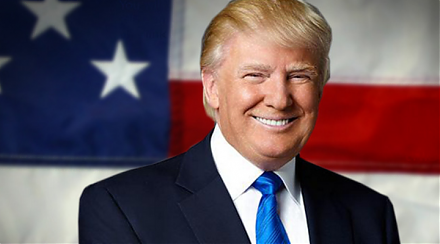
In an exclusive interview with Bloomberg, President Trump criticizes the World Trade Organization (WTO), proposes indexing capital gains taxes to inflation
2018-01-10 08:40:00 Wednesday ET
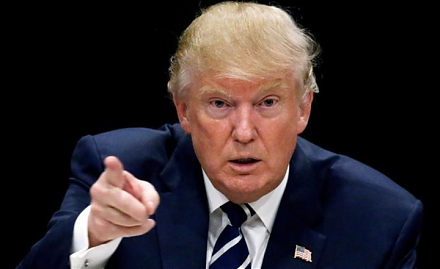
President Trump considers imposing retaliatory economic sanctions on Chinese products and services in direct response to China's theft and infringement
2020-04-03 09:28:00 Friday ET
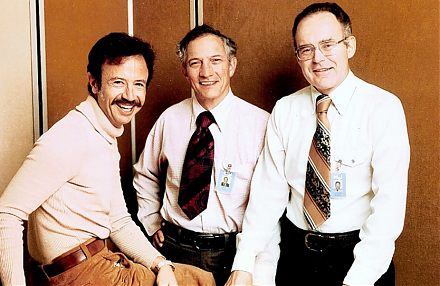
The Intel trinity of Robert Noyce, Gordon Moore, and Andy Grove establishes the primary semiconductor tech titan in Silicon Valley. Michael Malone (2014)
2025-09-21 12:32:00 Sunday ET

Stock Synopsis: With a new Python program, we use, adapt, apply, and leverage each of the mainstream Gemini Gen AI models to conduct this comprehensive fund
2018-03-07 07:34:00 Wednesday ET
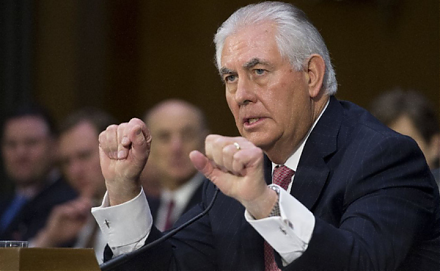
President Trump tweets his key decision to oust State Secretary Rex Tillerson after several months of intense disagreement over diplomatic affairs. Trump so
2020-08-05 08:33:00 Wednesday ET
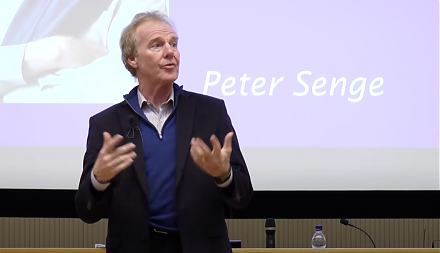
Business leaders often think from a systemic perspective, share bold visions, build great teams, and learn new business models. Peter Senge (2006) &nb