
Eli Lilly and Company, one of the world's largest pharmaceutical companies, boasts a diversified product profile including a solid lineup of new successful drugs. It also has a dependable pipeline as it navigates through challenges like patent expirations of several drugs and rising pricing pressure on its U.S. diabetes franchise. Its pharmaceutical product categories are neuroscience, diabetes, oncology, immunology and others. Over the past few years, Lilly has been actively seeking acquisitions and in-licensing deals to boost its product portfolio and pipeline. The purchase of ImClone Systems brought with it cancer compound, Erbitux. The acquisition of ICOS Corporation gave Lilly full control over erectile dysfunction drug, Cialis. Its other acquisitions include Hypnion, Inc., CoLucid Pharmaceuticals added Reyvow for acute migraine, Loxo Oncology and Dermira. Lilly has collaboration agreements with several companies including Incyte, Boehringer Ingelheim and Innovent Biologics among others....
+See More2018-08-11 14:35:00 Saturday ET

The Trump administration imposes 20%-50% tariffs on Turkish imports due to a recent spat over the detention of an American pastor, Andrew Brunson, in Turkey
2018-08-29 10:37:00 Wednesday ET
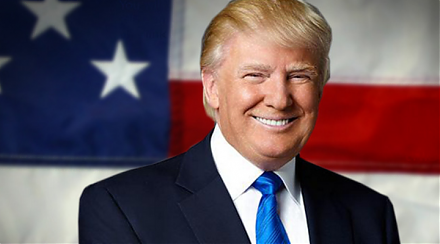
In an exclusive interview with Bloomberg, President Trump criticizes the World Trade Organization (WTO), proposes indexing capital gains taxes to inflation
2025-06-20 08:27:00 Friday ET

President Trump poses new threats to Fed Chair monetary policy independence again. We describe, discuss, and delve into the mainstream reasons, conc
2022-04-15 10:32:00 Friday ET

Corporate investment management This review of corporate investment literature focuses on some recent empirical studies of M&A, capital investm
2025-10-06 10:27:00 Monday ET

Stock Synopsis: With a new Python program, we use, adapt, apply, and leverage each of the mainstream Gemini Gen AI models to conduct this comprehensive fund
2022-10-05 08:24:00 Wednesday ET

Precautionary-motive and agency reasons for corporate cash management Bates, Kahle, and Stulz (JF 2009) empirically find that public firms have doubled t