
Valero Energy Corporation is the largest independent refiner and marketer of petroleum products in the United States. It has refineries located throughout the United States, Canada and the United Kingdom. Moreover, Valero is a leading ethanol producer with ethanol plants in the Midwest. The products of the company are sold in the markets of the United States, Canada, the United Kingdom, Ireland and Latin America. The company's brand names are carried by outlets. The company organizes its business through three reportable segments, namely, Refining, Ethanol and Renewable Diesel....
+See MoreSharpe-Lintner-Black CAPM alpha (Premium Members Only) Fama-French (1993) 3-factor alpha (Premium Members Only) Fama-French-Carhart 4-factor alpha (Premium Members Only) Fama-French (2015) 5-factor alpha (Premium Members Only) Fama-French-Carhart 6-factor alpha (Premium Members Only) Dynamic conditional 6-factor alpha (Premium Members Only) Last update: Saturday 17 October 2026
2018-05-29 11:40:00 Tuesday ET

America and China, the modern world's most powerful nations may stumble into a **Thucydides trap** that Harvard professor and political scientist Graham
2018-06-09 16:40:00 Saturday ET
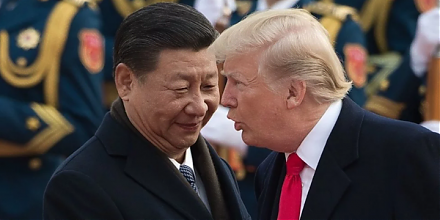
The Trump administration introduces new tariffs on $50 billion Chinese goods amid the persistent bilateral trade dispute. The tariffs effectively boost cost
2022-03-05 09:27:00 Saturday ET

Addendum on empirical tests of multi-factor models for asset return prediction Fama and French (2015) propose an empirical five-factor asset pricing mode
2019-11-05 07:41:00 Tuesday ET

The Trump administration expects to reach an interim partial trade deal with China. This interim partial trade deal represents the first phase of a comprehe
2018-06-29 11:41:00 Friday ET

Amazon acquires an Internet pharmacy PillPack in order to better compete with Walgreens Boots Alliance, CVS Health, Rite Aid, and many other drug distributo
2025-05-29 08:25:28 Thursday ET
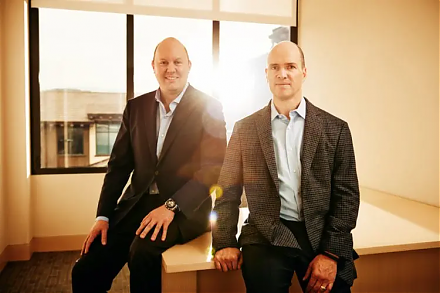
Serial venture capitalist Ben Horowitz describes many hard truths, lessons, and insights from his entrepreneurial journey of running LoudCloud from a Silico
 Reports
 Metrics
 Events
 AI Stock Synopses