
United Technologies Corporation provides technology products and services to the building systems and aerospace industries worldwide. It offers passenger and freight elevators, escalators, and moving walkways; modernization products to upgrade elevators and escalators; and maintenance and repair services. The company also provides building systems, including cooling, heating, ventilation, refrigeration, fire, flame, gas, smoke detection, portable fire extinguishers, fire suppression, intruder alarms, access control systems, video surveillance, and building control systems; and building services, such as audit, design, installation, system integration, repair, maintenance, and monitoring. In addition, it supplies aircraft engines for commercial, military, business jet, and general aviation markets; and provides aftermarket maintenance, repair, and overhaul, as well as fleet management services. Additionally, the company offers electric power generation, power management, and distribution systems; air data and aircraft sensing systems; engine control, intelligence, surveillance, and reconnaissance systems; engine components; environmental control systems; fire and ice detection, and protection systems; propeller systems; engine nacelle systems; aircraft lighting, seating, and cargo systems; actuation and landing systems; space products and subsystems; avionics systems; precision targeting; electronic warfare and range systems; flight controls, communications, navigation, oxygen, and simulation and training systems; food and beverage preparation, and storage and galley systems; and lavatory and wastewater management systems. It provides its services through sales representatives, building contractors and owners, transportation companies and retail stores, and through joint ventures, independent sales representatives, distributors, wholesalers, and dealers. United Technologies Corporation was incorporated in 1934 and is headquartered in Farmington, Connecticut....
+See MoreSharpe-Lintner-Black CAPM alpha (Premium Members Only) Fama-French (1993) 3-factor alpha (Premium Members Only) Fama-French-Carhart 4-factor alpha (Premium Members Only) Fama-French (2015) 5-factor alpha (Premium Members Only) Fama-French-Carhart 6-factor alpha (Premium Members Only) Dynamic conditional 6-factor alpha (Premium Members Only) Last update: Saturday 4 April 2026
2018-06-05 07:36:00 Tuesday ET

Just Capital issues a new report in support of the stakeholder value proposition in recent times. U.S. corporations that perform best on key priorities such
2019-02-11 09:37:00 Monday ET

Corporate America uses Trump tax cuts and offshore cash stockpiles primarily to fund share repurchases for better stock market valuation. Share repurchases
2017-06-27 05:40:00 Tuesday ET

These famous quotes of self-made billionaires are inspirational words of wisdom on financial management, innovation, and entrepreneurship. For financial
2019-08-07 08:32:00 Wednesday ET

Our fintech finbuzz analytic report shines fresh light on the current global economic outlook. As of Summer-Fall 2019, the current analytic report focuses o
2018-10-17 12:33:00 Wednesday ET
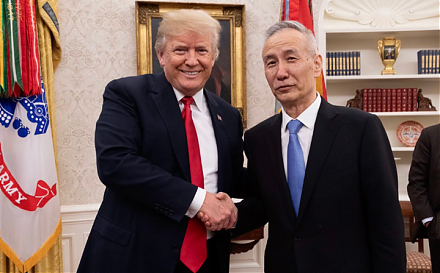
The Trump administration blames China for egregious currency misalignment, but this criticism cannot confirm *currency manipulation* on the part of the Chin
2023-03-14 16:43:00 Tuesday ET
Several feasible near-term reforms can substantially narrow the scope for global tax avoidance by closing information loopholes. Thomas Pogge and Krishen
 Statement
 Ratio
Ratio News
News