
Apple's business primarily runs around its flagship iPhone. However, the Services portfolio that includes cloud services, App store, Apple Music, AppleCare, Apple Pay & licensing and other services which become the cash cow. Moreover, non-iPhone devices like Apple Watch and AirPod have gained significant traction. In fact, Apple dominates the Wearables and Hearables markets due to the growing adoption of Watch and AirPods. Solid uptake of Apple Watch also helps Apple to strengthen its presence in the personal health monitoring space. Apple also designs, manufactures and sells iPad, MacBookand HomePod. These devices are powered by software applications including iOS, macOS, watchOS and tvOS operating systems. Apple's other services include subscription-based Apple News, Apple Card, Apple Arcade, new Apple TV app, Apple TV channels and Apple TV, a new subscription service....
+See MoreSharpe-Lintner-Black CAPM alpha (2.26%) Fama-French (1993) 3-factor alpha (3.13%) Fama-French-Carhart 4-factor alpha (3.96%) Fama-French (2015) 5-factor alpha (4.89%) Fama-French-Carhart 6-factor alpha (5.68%) Dynamic conditional 6-factor alpha (11.21%) Last update: Saturday 17 October 2026
2019-10-05 07:27:00 Saturday ET
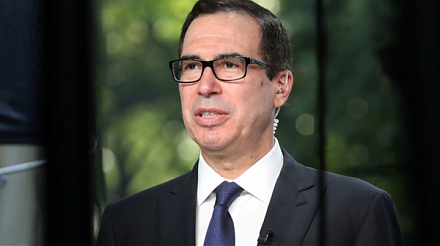
Treasury Secretary Steven Mnuchin indicates that there is a good conceptual trade agreement between China and the U.S. in regard to intellectual property pr
2017-04-19 17:37:00 Wednesday ET
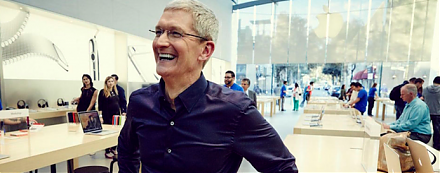
Apple is now the world's biggest dividend payer with its $13 billion dividend payout and surpasses ExxonMobil's dividend payout record. Despite the
2018-11-11 13:42:00 Sunday ET

Michael Bloomberg provides $80 million as campaign finance for Democrats to flip the House of Representatives in the November 2018 midterm elections, gears
2019-03-27 11:28:00 Wednesday ET
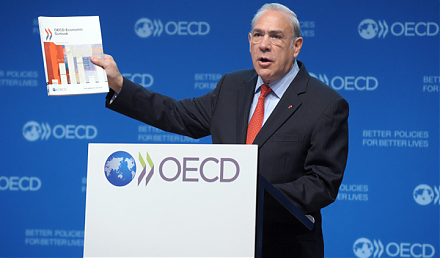
OECD cuts the global economic growth forecast from 3.5% to 3.3% for the current fiscal year 2019-2020. The global economy suffers from economic protraction
2018-03-27 07:33:00 Tuesday ET
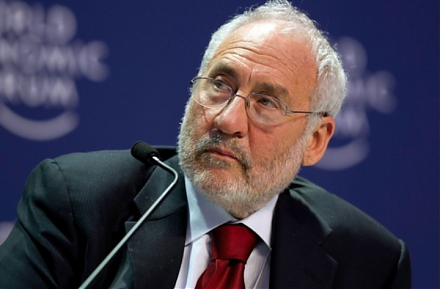
CNBC's business anchorwoman Becky Quick interviews Nobel Laureate Joseph Stiglitz on the current trade war between America and China. As America imposes
2018-11-07 08:30:00 Wednesday ET

PwC releases a new study of top innovators worldwide as of November 2018. This study assesses the top 1,000 global companies that spend the most on R&D
 Reports
 Metrics
 Events
 AI Stock Synopses