
2017-02-25 06:44:00 Sat ET
treasury deficit debt employment inflation interest rate macrofinance fiscal stimulus economic growth fiscal budget public finance treasury bond treasury yield sovereign debt sovereign wealth fund tax cuts government expenditures
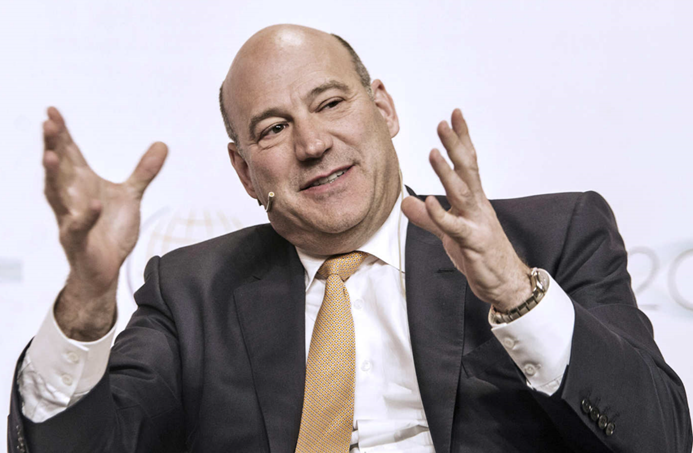
As the White House economic director, Gary Cohn suggests that the Trump administration will tackle tax cuts after the administration *repeals and replaces* Obamacare.
The dynamic scoring modus operandi helps economic advisors assess both costs and benefits to ensure tax-revenue neutrality over a 10-year period.
A border adjustment tax on most imports from China, Mexico, Japan, and other countries will be a major source of public finance for this fiscal tax optimization.
Subsequent greenback appreciation can then neutralize the inflationary effect of this border tax.
The current interest rate hike will contribute to this dollar appreciation for better current-account neutrality.
Mainstream media has speculated that Gary Cohn might be a good candidate under consideration for the top post of the Federal Reserve after Janet Yellen steps down as Fed Chair in February 2018. However, President Trump should probably keep Cohn in his current role as White House chief economist to lead the fiscal tax overhaul program through congressional confirmation and scrutiny.
If any of our AYA Analytica financial health memos (FHM), blog posts, ebooks, newsletters, and notifications etc, or any other form of online content curation, involves potential copyright concerns, please feel free to contact us at service@ayafintech.network so that we can remove relevant content in response to any such request within a reasonable time frame.
2019-02-25 12:41:00 Monday ET
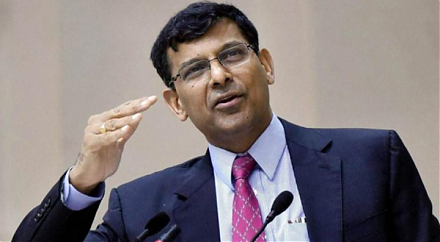
Chicago financial economist Raghuram Rajan views communities as the third pillar of liberal democracy in addition to open markets and states. Rajan suggests
2025-10-02 12:31:00 Thursday ET
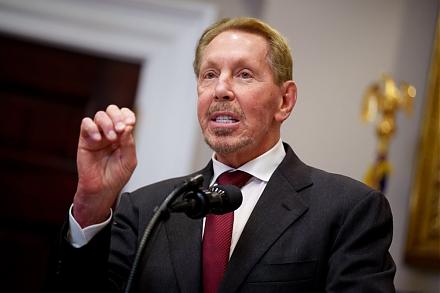
Stock Synopsis: With a new Python program, we use, adapt, apply, and leverage each of the mainstream Gemini Gen AI models to conduct this comprehensive fund
2020-04-03 09:28:00 Friday ET
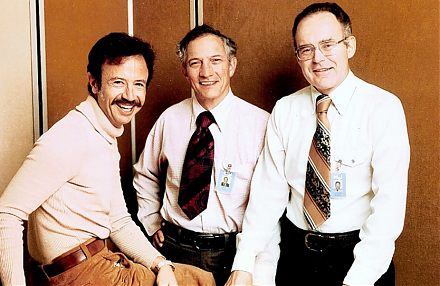
The Intel trinity of Robert Noyce, Gordon Moore, and Andy Grove establishes the primary semiconductor tech titan in Silicon Valley. Michael Malone (2014)
2019-10-01 11:33:00 Tuesday ET
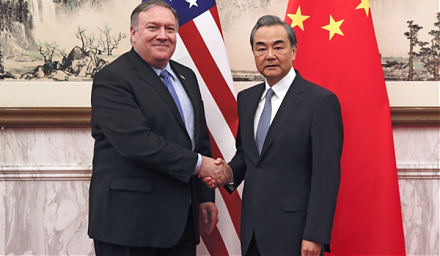
The Trump administration postpones increasing 25% to 30% tariffs on $250 billion Chinese imports after China extends an olive branch to de-escalate Sino-Ame
2018-02-23 09:35:00 Friday ET
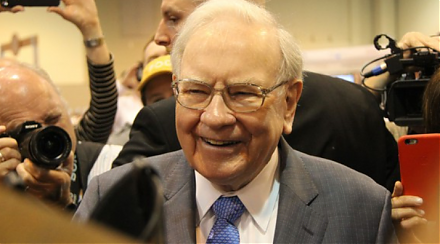
Warren Buffett releases his annual letter to Berkshire Hathaway shareholders as of February 2018. Buffett discusses Berkshire's core cash ambition, its
2018-11-23 09:39:00 Friday ET
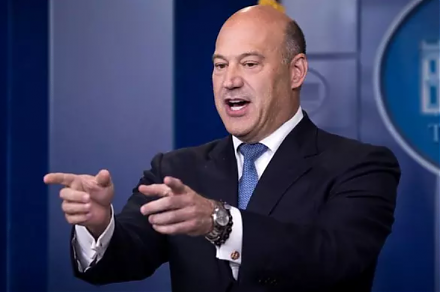
Former White House chief economic advisor Gary Cohn points out that there is no instant cure for the Sino-U.S. trade dilemma. After the U.S. midterm electio